New Publication

I am delighted to have received a copy of a report published earlier this year and to which I made a contribution, but which has only just arrived with me. Published by the British Museum in their series of Research Publications, A Riverine Site Near York: A Possible Viking Camp? explores a site discovered by metal detectorists and brought to the attention of the Portable Antiquities Scheme and York Archaeological Trust in 2003. The finds included a hoard of coins, bullion, hack silver and weighing equipment, and also pieces of iron swords; other material included dress fittings, pieces and offcuts of decorative metalwork and more fragments of weaponry. Some of this material is 8th century or earlier, and appears to have been obtained for the purposes of being reworked and recycled; other finds – in particular the coins and weights – suggest activity in the period of the late 860s to the mid 870s. Similarities between the assemblage and the location of the site itself to that of a probable Viking Camp at Torksey have led to the suggestion that this could be another example of such camps, believed to be winter camps of the Viking Great Army of the 870s.

It is wonderful to finally see a report on this important site which was first discovered almost 20 years ago, with a particularly interesting finds assemblage with objects spanning a date range of 6th – 9th/early 10th centuries.

https://www.britishmuseumshoponline.org/riverine-site-publication.html
A new stage in life 2025

I have been interested in archaeology from being a teenager, and have been lucky enough to work in archaeology, primarily as a small finds specialist all my working life. Now, some 40+ years on, I am finding that there are other interests that I want to be able to pursue and so I have decided that to make the time to do them, I must stop taking on new projects. Work has begun to take more of a back seat as I have become a grandparent, suffered some ill health and realised that in a year’s time, I will get my state pension! Where did all the time go? So I am looking forward to spending more time with the family and friends, working in my local community bookshop, and getting more personally creative but I will always follow what is going on in the archaeological world and will always look forward to hearing about new discoveries.

New publication!

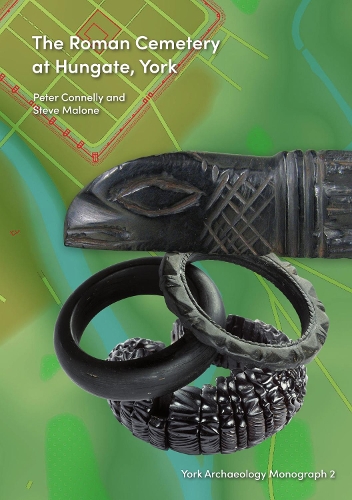
Peter Connelly and Steve Malone, The Roman Cemetery at Hungate, York, York Archaeology Monograph 2

I was delighted to recently receive a copy of this long-awaited monograph describing the amazing results of excavations at Hungate, York by York Archaeology, in which I was heavily involved for many years. This volume covers the identification and excavation of a well-furnished Roman cemetery, which is one of the largest such cemeteries in York to have been excavated to modern standards, and details the development from a mid-2nd century cremation cemetery to an inhumation cemetery over the following 200 years. Many of the graves contained goods, including pottery, glass vessels, jewellery and footwear, and there is a well- illustrated catalogue of all the 120 graves, as well as detailed osteological analysis of the individuals who were buried there, including children.

This is now available from York Archaeology http://yorkarchaeology.co.uk and Pen and Sword Books https://www.pen-and-sword.co.uk/The-Roman-Cemetery-at-Hungate-York-Paperback/p/52627?mc_cid=63a0ec6349&mc_eid=894b071454

Important Anglo-Saxon Cemetery found on HS2 Route

I am delighted to finally be able to spread the word about this significant archaeological site in Wendover, Buckinghamshire, which was recently found during works along the proposed route of HS2. I was lucky enough to be asked to identify and assess many of the artefacts recovered from the 141 burials, which included weaponry and knives, jewellery, toilet implements, and many dress fittings. Together with other evidence, these finds help to date this unusually large cemetery to the 5th – 6th centuries, and provide lots of information about the people that the objects were buried with, and of the community that buried them. There is more analysis to be undertaken but already the results indicate this is a great new discovery.

You can read more here: https://www.bbc.co.uk/news/uk-england-beds-bucks-herts-61810503

And hear more here: https://podfollow.com/gone-medieval/view

Archaeology Is Exploring!

I was recently asked if I would do a Zoom session about archaeology with some 8 – 9 year old children at an international school in France. According to their teacher, they were studying the topic of ‘Exploring’, a subject in to which archaeology would fit very well. Before the session, the students came up with some questions (in fact lots of questions!); sadly there were too many to answer all of them in the 40 minutes or so we had been allotted, but some of the best were picked. I had also sent some photos of sites, artefacts and tools used by archaeologists in advance of the session, all of which came in useful in our discussion.     

So, what sort of questions did we look at? Well, I was impressed by some of the things they had thought to ask. For example, how do archaeologists know where to dig? And what type of sites do they work on? I had to explain that I would talk about how it works in Britain, about how the development of sites leads to the destruction of archaeological levels, so archaeologists can come in, before the new road/buildings etc are built, to see  – in other words ‘explore’ – what had been there in the past. I also highlighted the importance of recording all that the archaeologists did, as archaeology itself is destructive. They also wanted to know what different types of archaeologist there are, and ‘had I ever met another archaeologist and worked with them as a team?’ This enabled me to talk about the different disciplines involved in an excavation, and how it absolutely is about teamwork. One very interesting question was ‘Has anyone ever got there before you made the discovery?’. In fact, on many sites, people have been there before, often in the distant past – perhaps robbing the stone from upstanding walls to take away and use for new buildings, or opening up mounds or tombs to see if there were goodies to steal from burials. These people were doing their own ‘exploring’! Also very relevant to the theme of exploring was a question about using maps, which I used to explain how important it is on an excavation that comprehensive plans of what is found are made, as once the archaeological layers have been removed, they cannot be physically recovered.

Finally, some of my favourite questions included:

If you find something with writing on it from a long time ago, can you understand it? Answer: usually.

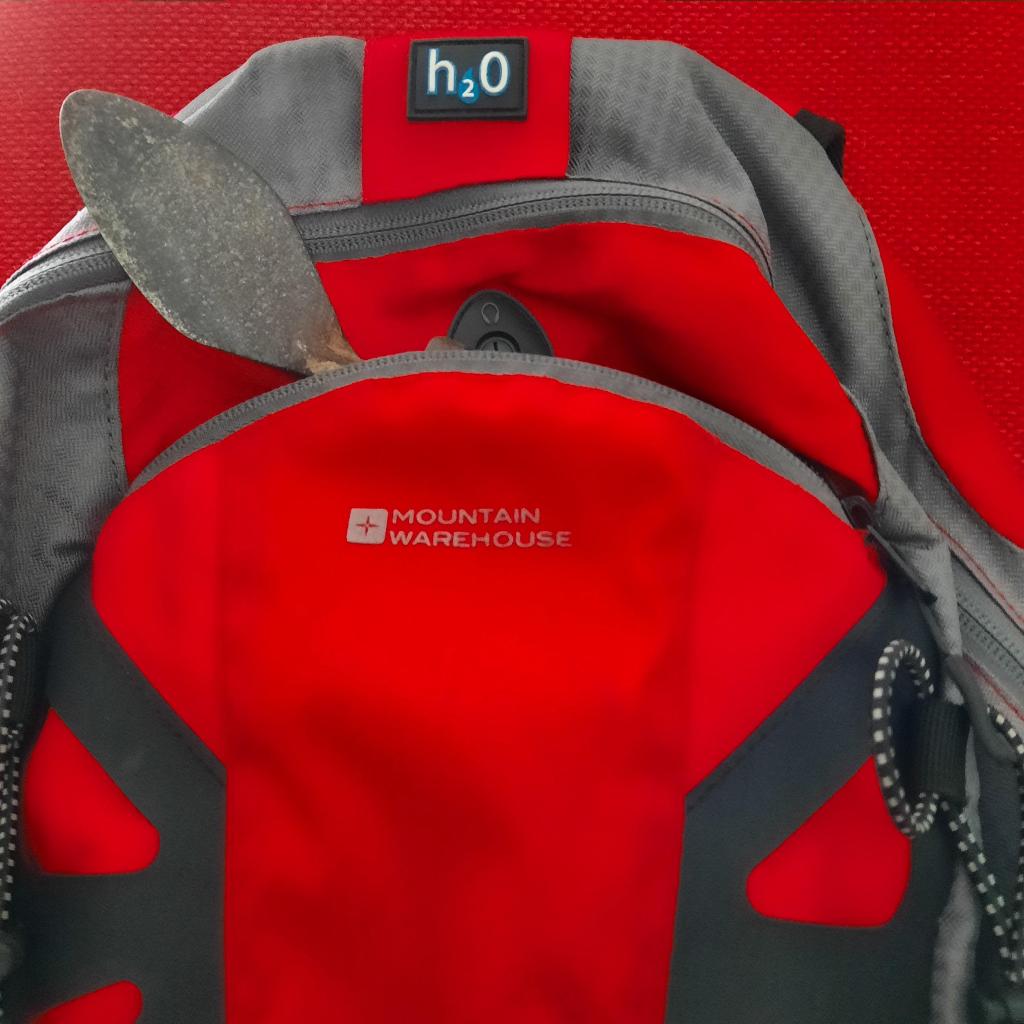
If you were going on a dig, what would you put in your backpack? Answer: My lunch would be very important! Also my trowel, and waterproofs/sun cream depending upon the time of year!

I really enjoyed the session, and I am sure they found it useful too. I would be thrilled if in years to come, it transpired that maybe one (or more?) of the 20 or 30 students on that zoom decided to do their own exploring as an archaeologist.

Moving to a new office!

After over 30 years of working in York as an archaeological small finds specialist, I am moving to discover a new part of the UK.  I spent 27 years at York Archaeological Trust, and have been working for almost 5 years now as an independent specialist, but as from 3rd March 2020 I am going to be basing myself just outside Norwich in the town of Wymondham (pronounced Windham) and taking my office with me!

I shall continue offering my services: identifying, assessing, cataloguing, analysing, researching and publishing small finds of all materials of Roman to post medieval date, with particular emphasis on post Roman to late medieval periods. I can also carry out post excavation management of finds reports, and offer training in the identification of finds and other aspects of small finds work.

Please note new address details as from March 3rd 2020 below:

Nicola Rogers, 1 Northfield Gardens, Wymondham, Norfolk NR18 0DG

Tel: 07584907195

E-mail: archaeologist20@gmail.com

Website: nicolarogersarchaeology.com

Exciting new excavations in York!

Roadworks and street improvements have recently taken place on Stonebow in the centre of York, and York Archaeological Trust undertook excavations in the area which have produced some very interesting artefacts, which will hopefully be studied in the near future.

See this link for more information:

https://www.yorkarchaeology.co.uk/newsblog/2019/5/28/early-post-excavation-progress-on-the-stonebow-pavement-and-fossgate-watching-brief


Recent Work for Jorvik

I am delighted to continue a close relationship with the York Archaeological Trust and Jorvik, and recent work has included small research projects on Writing and Literacy, and on Games and Recreation in the Medieval Period, both of which incorporate some of the fascinating artefacts in the York Archaeological Trust’s collections. There are going to be some displays on these themes at Barley Hall, York in 2018  – in the meantime, you can see the reports online.

Click to access Writing-and-Literacy-in-the-Medieval-Period.pdf

Click to access Games-and-Recreation-c-AD1400-1700.pdf

And look out for more reports coming soon!